

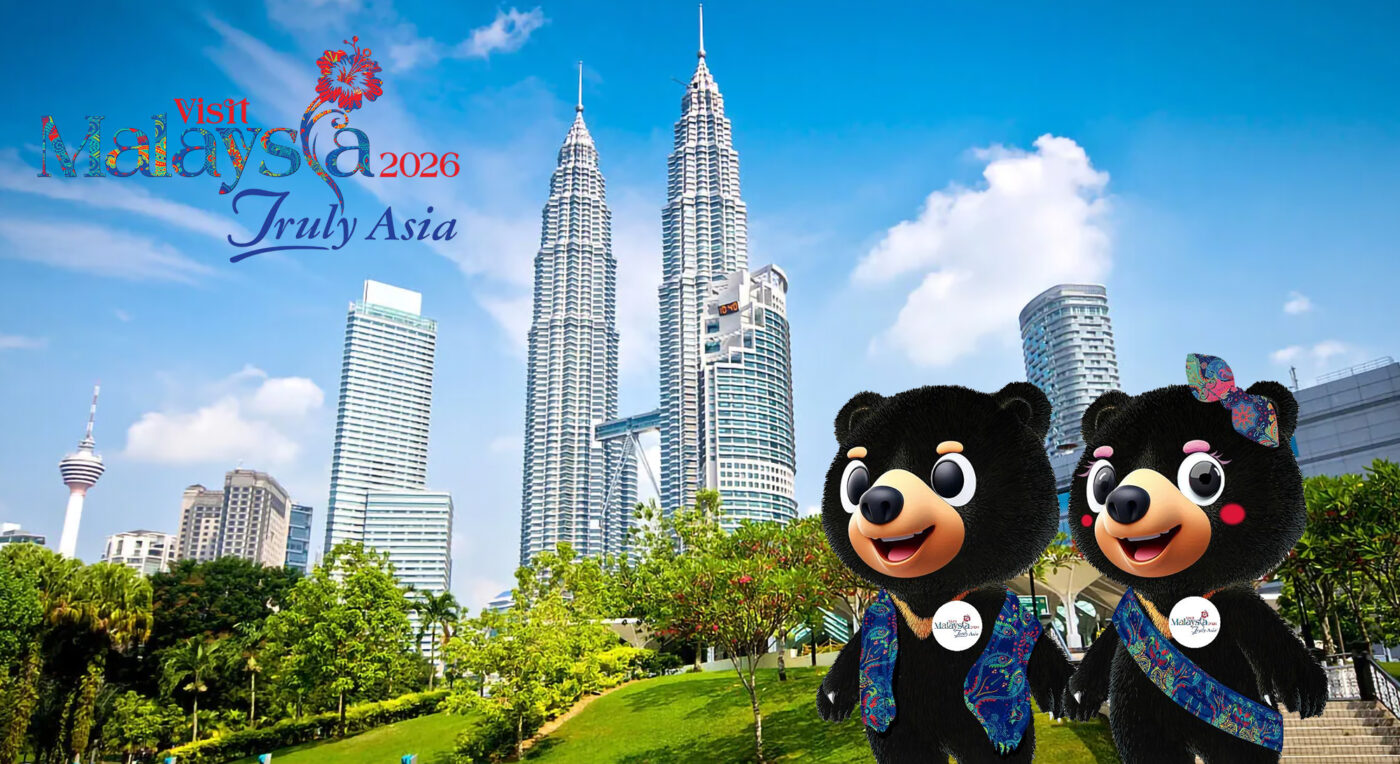
Recent years have seen Malaysia bounce back and enter a new growth phase in the hospitality sector post-pandemic. Tourism arrivals are recovering steadily, infrastructure spending is accelerating, and government-backed initiatives are reshaping how cities and destinations prepare for international demand.
At the centre of this momentum is Visit Malaysia 2026, a national tourism campaign that is already influencing investment behaviour well ahead of its official launch.
In Kuala Lumpur, this preparation is translating into tangible on-the-ground action. To support these efforts, the Ministry of Tourism, Arts and Culture (MOTAC) has allocated RM80 million nationwide in 2025 to refurbish facilities in major tourism focal areas.
Against this backdrop, interest in hotels and resorts for sale has picked up. Not because assets are suddenly abundant, but because owners, investors, and operators are repositioning ahead of a major tourism cycle. For buyers with a long-term view, this period presents an opportunity to assess hospitality assets before demand, pricing, and competition fully peak.
This article examines how Visit Malaysia 2026 is reshaping the hotel and resort investment landscape, what types of assets are drawing attention, and what serious investors should be evaluating today.
Key Takeaways
- Visit Malaysia 2026 is shaping a multi-year tourism cycle supported by infrastructure upgrades, policy initiatives, and diversified travel demand.
- Hotels and resorts entering the market are often driven by strategic timing, not distress, creating opportunities for prepared investors.
- Investor interest is concentrating on well-located city hotels, resilient resort destinations, and clearly positioned boutique assets.
- Asset fundamentals, capital planning, and regulatory compliance remain more important than short-term tourism headlines.
- Early evaluation and disciplined due diligence can unlock value before competition and pricing pressure intensify.
Visit Malaysia 2026: A Demand Cycle Taking Shape Early
Unlike past tourism campaigns that relied heavily on short bursts of international marketing, Visit Malaysia 2026 is shaping up as a longer demand cycle that is already influencing travel patterns and investment behaviour. Planning efforts began well ahead of the campaign year, with emphasis placed on structural readiness over pure promotional marketing.
Several developments are contributing to this early momentum:
International arrival recovery with regional depth
The rebound in visitor numbers is being supported not just by long-haul travel, but by short-haul and repeat regional markets. Improved air connectivity within ASEAN and North Asia, combined with reduced travel frictions, is creating steadier arrival flows instead of sharp seasonal spikes.
Infrastructure-led destination readiness
Urban upgrades are focusing on how visitors navigate and experience cities. Advancements to transport interchanges, pedestrian connectivity, public spaces, and visitor-facing districts are improving dwell time and overall trip quality, especially in city centres and integrated developments.
Broader tourism demand drivers
Growth is no longer concentrated solely in leisure travel. Medical tourism, business events, and short-stay regional travel are contributing meaningfully to hotel demand, particularly in urban and well-connected locations. This diversification reduces reliance on any single traveller segment.
Taken together, these shifts point to a more sturdy tourism base heading into 2026. For hotel and resort investors, this matters because demand built on repeat visits, mixed travel purposes, and infrastructure support tends to translate into more consistent occupancy, steadier cash flow, and stronger operating fundamentals across market cycles.
Why Hotels and Resorts Are Entering the Market Now
The growing interest in hotels and resorts for sale is not driven by distress alone. In many cases, it reflects deliberate portfolio decisions made against an improving demand outlook.
Several underlying factors are shaping seller behaviour:
Asset repositioning ahead of peak demand
With tourism indicators strengthening and Visit Malaysia 2026 approaching, owners are reassessing capital allocation. Some are choosing to exit now instead of committing to major refurbishment cycles, while others see this as an optimal window to monetise assets before pricing expectations reset higher across the market.
Capital recycling by established operators
Larger hotel owners and groups tend to divest mature or stabilised assets to unlock capital for new developments, brand upgrades, or expansion into faster-growing markets. These transactions are typically strategic and involve properties with established operating histories.
Renewed investor confidence and longer hold strategies
As occupancy, ADR, and RevPAR trends stabilise, investors are more willing to underwrite hospitality assets with medium- to long-term horizons. This has brought back buyers who prioritise operational upside, repositioning potential, or yield compression over short-term gains.
This creates a market where transactions are shaped by planning and foresight, not urgency, which tends to favour well-prepared investors.

Which Hospitality Assets Are Gaining Investor Attention?
Recent arrival data further reinforces the strength of Malaysia’s regional tourism recovery. Penang International Airport has seen notable growth across multiple international markets, with Indonesia remaining a leading source of over 280,000 visitors. Arrivals from China and India have expanded sharply over the past two years, while markets such as Taiwan, Thailand, the UK, Australia, and Japan have also recorded consistent double-digit growth. Together, these trends point to a broad and diversified visitor base supporting the state’s tourism ecosystem.
While every asset requires individual assessment, current investor interest is clustering around several hospitality segments. Buyers are gravitating toward hospitality assets that align with specific demand drivers, operating realities, and repositioning potential.
Urban hotels anchored to commercial and transport ecosystems
Hotels located near business districts, transport hubs, and mixed-use city precincts are benefiting from both corporate and leisure demand. Properties located near upgraded public spaces or pedestrian-friendly zones are also seen as more resilient, as they integrate naturally into the city’s evolving live-work-visit environment.
Resort properties with clear destination logic
Resort hotels tied to improved air connectivity, wellness tourism, or experiential travel are drawing attention, particularly in established destinations. Longer average lengths of stay and bundled experiences help smooth seasonal volatility, making these properties appealing to investors seeking stable operating cycles.
Boutique and Lifestyle Hospitality
Smaller-format hotels with strong identity, heritage appeal, or curated guest experiences have graduated from being niche plays. Well-positioned boutique assets with a defined identity, heritage narrative, or experience-led offering are gaining relevance, particularly in mature urban and resort markets. From an investment standpoint, these properties work best when operational models, staffing structures, and branding strategies are clearly aligned with their target audience.
Across segments, the emphasis has shifted away from sheer room count and toward adaptability. Assets that can evolve with traveller behaviour, manage costs effectively, and sustain relevance over time are increasingly favoured in today’s hospitality investment landscape.
What Investors Should Evaluate Before Acquiring
The Visit Malaysia 2026 narrative is encouraging, but hospitality remains an operationally intensive asset class. Sound investment outcomes depend on disciplined, detail-driven evaluation.
- Location fundamentals
Accessibility, surrounding development plans, and long-term destination relevance matter more than short-term tourism spikes. - Asset condition and capital expenditure planning
Most hotels require refurbishment cycles every 7 to 10 years. Understanding near-term and medium-term capex obligations is essential. - Regulatory and licensing compliance
Operating licences, tourism certifications, and state-level approvals vary by location and ownership structure, particularly for foreign buyers. - Operational performance history
Audited financials, occupancy trends, and RevPAR benchmarks provide more reliable insight than headline asking prices. - Management and transition considerations
Whether retaining existing operators or appointing new ones, operational continuity affects performance during ownership changes.
A structured due diligence process helps distinguish assets with sustainable upside from those that benefit mainly from short-term sentiment.
Visit Malaysia 2026 and the Investment Window Ahead
Tourism cycles rarely move in straight lines, but current indicators suggest that Malaysia is entering a multi-year expansion phase rather than a short-lived rebound. Infrastructure investments, diversified travel drivers, and steady policy support are reinforcing the country’s hospitality ecosystem.
For investors, timing matters as much as asset selection. Opportunities tend to be most attractive before demand peaks and competition intensifies. As Visit Malaysia 2026 draws closer, well-located and well-managed hotel assets are likely to see tighter supply and firmer pricing.
Those who assess opportunities early, with realistic underwriting and professional guidance, are better positioned to benefit from both operating income and long-term asset appreciation.
Positioning for the Next Hospitality Growth Cycle
The growing interest in hotels and resorts for sale reflects more than optimism. It reflects a market preparing for a structural upswing in tourism demand.
Visit Malaysia 2026 acts as a catalyst, encouraging asset owners, operators, and investors to reassess their strategies ahead of a major visibility and demand phase.
However, timing alone does not guarantee success. Location quality, asset readiness, regulatory clarity, and operational planning remain decisive factors. Investors who approach this cycle with discipline and informed guidance stand to capture value beyond the headline tourism narrative.
Get in touch with Zerin Properties Hotel Invest today to explore hospitality investment opportunities, evaluate asset readiness, and position your portfolio strategically ahead of Visit Malaysia 2026.